Call/Text 218-967-5669 · 218-WORKNOWgrandrapidsmn@expresspros.com
Iron Mining Talent markIRON MINING TALENT
Northern Minnesota mining workforce

Employment Articles

Practical guides for Iron Range employers and skilled-trades job seekers covering recruiting, mine-ready skills, hiring speed, workforce planning, and mining career preparation.
The Number on the Pay Stub Is Not the Whole Mining Wage

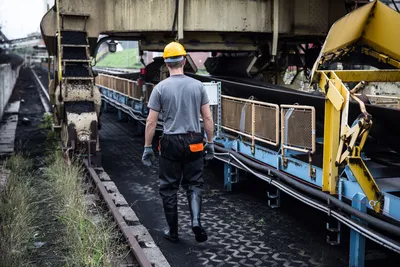
A worker in safety gear examines industrial machinery in an outdoor setting, showcasing industry work.

Mining pay is more than an hourly rate. Employee vs. contractor status, site type, training, benefits, and commute all change the real value of an offer.

How Mining Maintenance Careers Really Start in Northern Minnesota

A worker in safety gear examines industrial machinery in an outdoor setting, showcasing industry work.

Mining careers in northern Minnesota often begin with maintenance training, apprenticeship, and site-specific learning—not a single certificate.

In Mining, Distance Is Part of the Job

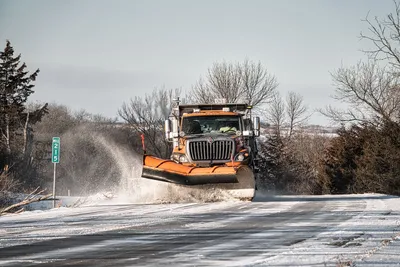
A snowplow clears a snowy road in Wabasha, MN during winter.

Northern Minnesota mining hiring is shaped by commute distance, shift design, and site-specific training—not just wages or headcount.

The Quiet Center of Mine Work: Why Plants, Shops, and Control Rooms Matter Most

open pit mining, money, brown coal, industry, mining, technology, degradation, raw material, energy, excavator, industrial plant, paddle wheel, in the, brown coal mining, mining, mining, mining, mining, mining

Mining crews run on more than pit jobs. Plants, shops, and site-specific training decide whether ore moves, equipment stays online, and hires actually fit.

The Mill Is Not the Pit: Why Processing Jobs Deserve Their Own Mining Career Path

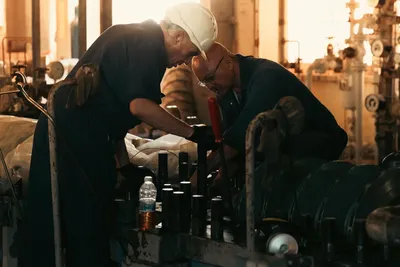
Two engineers collaborating on machinery maintenance in a dimly lit industrial plant.

Processing plants, not just pits, drive mining careers. Here’s how plant work, maintenance, and supervision differ—and what applicants should show.

The Credential Trap in Mining Hiring: Why a Good Certificate Still Isn’t Site-Ready

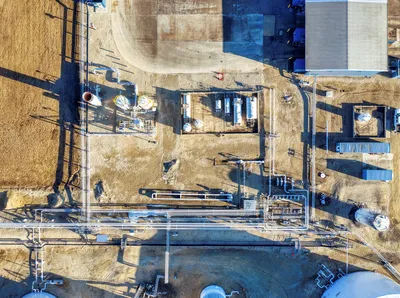
High-altitude shot of a manufacturing plant in Eyota, MN, showcasing industrial structures and pipelines.

A welding card helps, but mining still requires site-specific training and authorization. Employers and applicants need to separate credentials from true job readiness.

The Real Gate in Mining Hiring Is Site-Specific Authorization

Workers at an outdoor mining site with a focus on rail transport safety.

Mining hiring succeeds when employers verify site-specific authorization, not just trade experience. Northern Minnesota makes that distinction even more important.

The Mine Runs on Coverage, Not Just Headcount

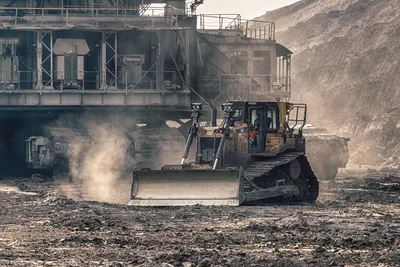
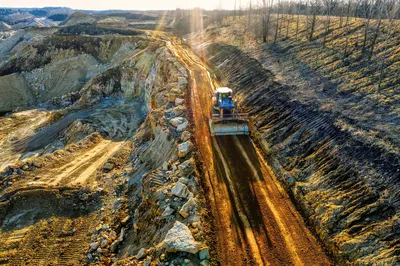
High-angle shot of a bulldozer on a rocky quarry path in Rochester, MN, during daytime.

Mining staffing succeeds when employers and applicants think in coverage zones, task authorization, and site-specific training—not just in job titles.

What “Ready for Work” Really Means in Mining

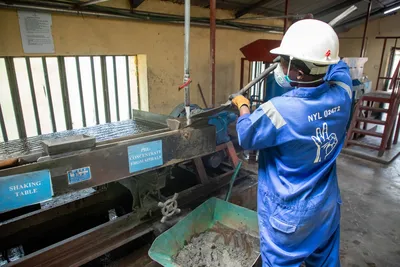
A factory worker in blue overalls operates a shaking table for ore processing.

In mining, completed training is not the same as task readiness. Employers and workers should separate credentials, site authorization, and local operating conditions.

The Hidden Test in Mining Hiring: Can You Work This Site, Not Just This Trade?

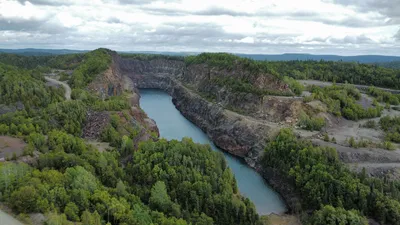
Aerial view of a green landscape and iron mine in Wawa, Ontario.

Mining résumés matter, but site-specific training, authorization, and task fit matter more. Here’s how employers and applicants should judge a mining job.

The Real Line in Mining Hiring: When Experience Stops and Retraining Starts

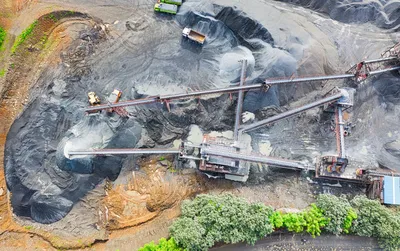
Drone capture of an industrial mining site with conveyor belts and machinery.

Mining experience does not transfer cleanly across underground, surface, and plant jobs. Here’s how the training boundary changes hiring and onboarding.

Why Cross-Training Helps Mining Crews Only Up to the Point of Authorization

potassium salt, salt mine, nature, dump, clouds, mining, industrial, headframe, reflection

Mining crews gain flexibility from cross-training, but safe staffing depends on a harder line: training, qualification, and site authorization are not the same.